The “brilliant” cut
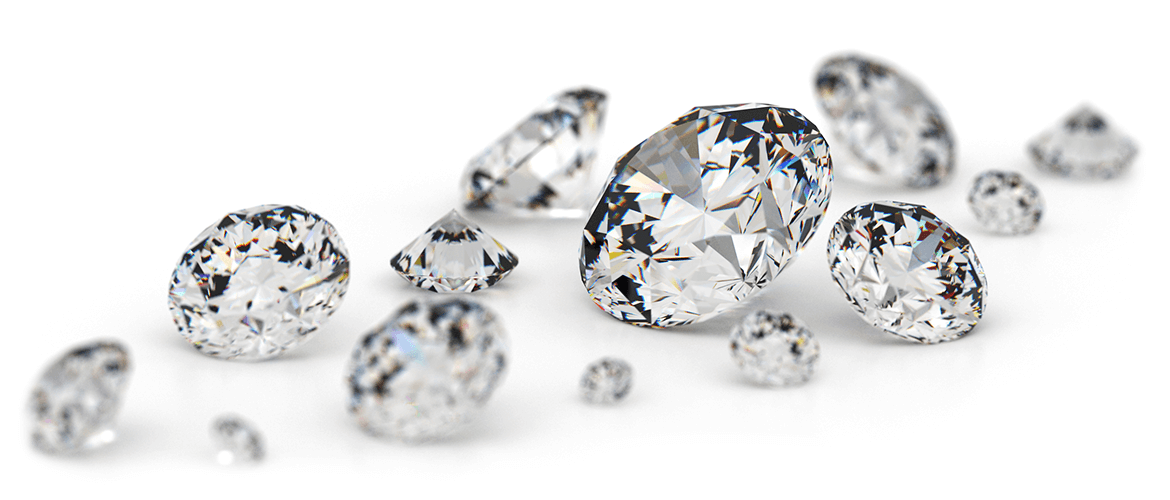
In Italian, ‘brillante’ and ‘diamante’ are often used interchangeably. While these two terms are indeed connected, they refer to two distinct concepts.
The word diamond refers to the nature of the mineral, while ‘brillante’ refers more specifically to the name of the cut.
So, for example, it would be possible to create a brilliant-cut ruby. Nonetheless, the important link between the two terms ‘diamante’ and ‘brillante’ stems from the fact that the modern brilliant cut was designed specifically to enhance the properties and unique characteristics of this extraordinary mineral.
In 1919 Marcel Tolkowsky, one of the most influential figures in the study of diamonds at the time, wrote the well-known “Diamond Design” treaty in which, based on his gemmology studies, he developed a mathematical model which could explain the way in which light behaves inside diamonds.
Given that each mineral has its own unique physical and chemical characteristics, light too, once it has penetrated into a transparent gem, will maintain a unique behaviour, and in order to make the most of this characteristic, personalised cutting rules have been coded for each mineral in order to enhance its brightness, sparkle and overall aesthetic performance.
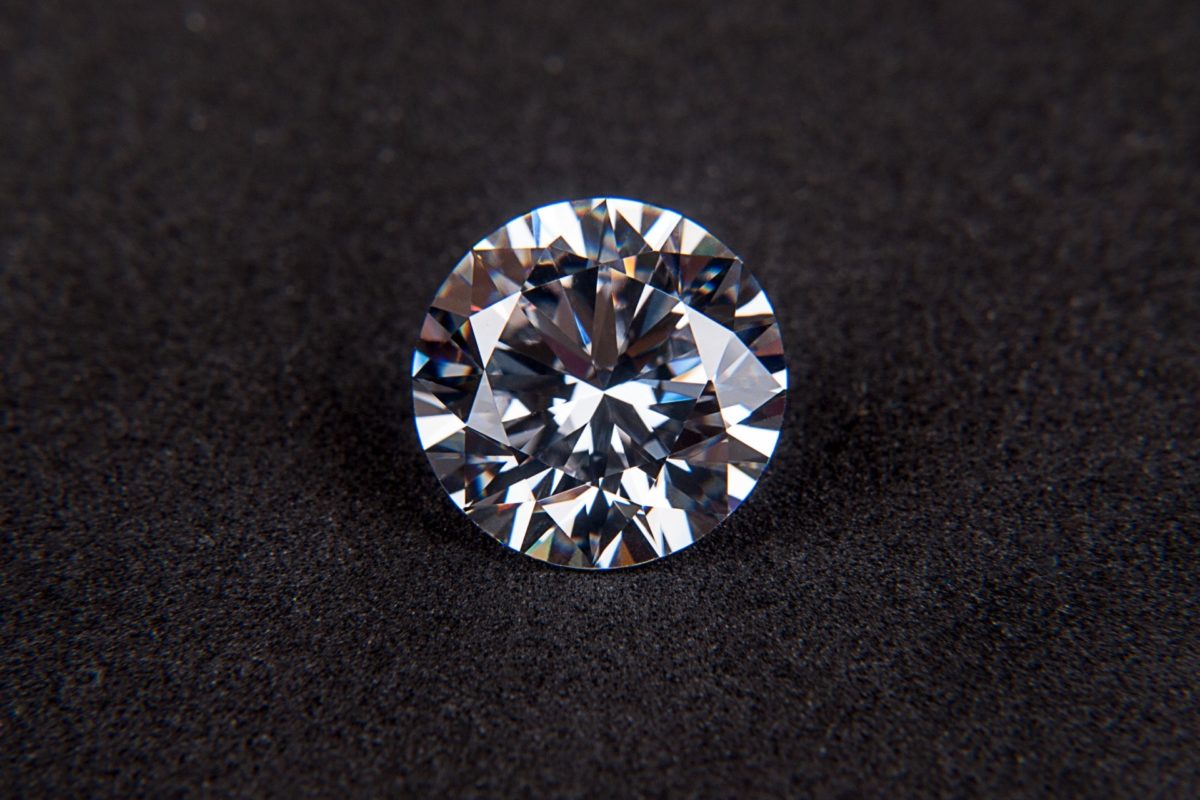
The modern brilliant cut designed by Tolkowsky optimises the best proportions and corners of the diamond in order enhance the spectacular beauty that distinguishes this stone and illuminate all that surrounds it with its wonderful reflections.
It is no coincidence that the cut is just one of the 4 characteristics that are analyzed when evaluating a diamond, or one of the 4Cs (Cut = cut) that we mentioned in our post dedicated to understanding a diamond’s value.
A high-quality cut respects the proportions and angles dictated by the rules described above.
The importance of selection
Cut has the greatest influence on a diamond’s sparkle, and without a high cut grade even a diamond of high quality can appear dull and lifeless. In white diamonds, this is even more evident because a poor cut will make it appear dull and the brilliance distribution will not be homogenous.
When selecting a diamond, it is always very important to take into account the appearance of the cut. This goes both for generously sized stones, but also for very small diamonds, such as the ones that will create pave diamonds. If well selected, it will release a light of such beauty as to be comparable only to the rarity and value of the mineral it is made of.